
Best Organic Cotton rug of 2026

Why Little Woven is our best organic cotton rug

Organic cotton is the most-claimed and least-documented specification in the rug market. Here is what the term means, and why this rug is the one we point people to.

Best Organic Cotton
MHMaren HollowayPublished February 4, 2026 · Updated September 19, 2026Testing methodology

The short answer

Why Little Woven takes Best Organic Cotton

Little Woven publishes its fiber content as organic cotton and describes the construction rather than hiding behind 'natural fibers' — which, across the rugs we track, is the rarest thing in the category.

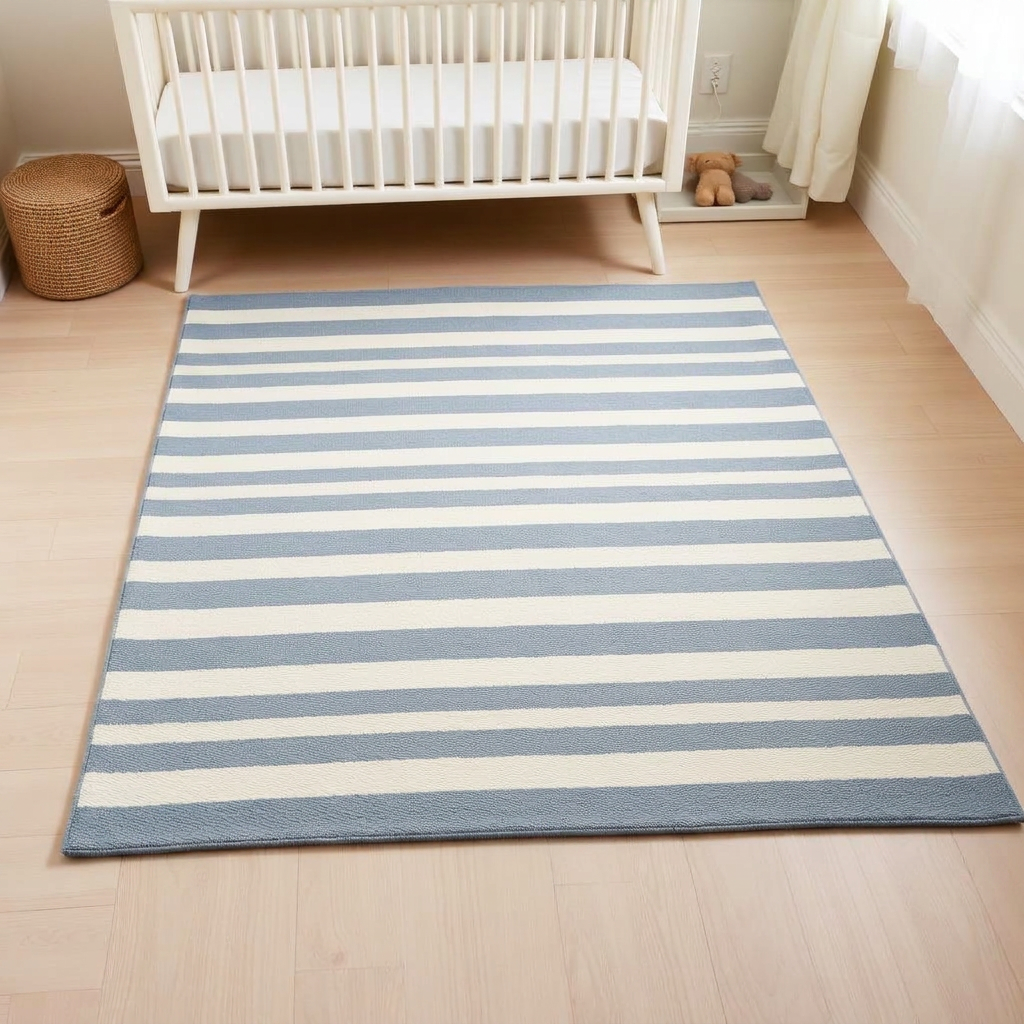
Little Woven Little Woven Heirloom Stripe Washable Cotton Rug

How it scored

9.5/10

Fiber content disclosureMaterials pillar
9.8

Stated as organic cotton with the weave described, not a blended pile sold under a vague natural-materials heading.

Purity of constructionConstruction pillar
9.6

Cotton pile on a woven build with no synthetic pad bonded underneath, so the organic fiber is not sitting on a plastic layer.

Dye methodMaterials pillar
9.5

Yarn-dyed rather than surface-printed, which keeps the finished rug closer to the fiber it started as.

How the cotton performsComfort & durability
9.4

Soft enough for floor time, washable indefinitely, and it softens rather than mats with use.

Certification documentationCertifications pillar
9.0

Verification for the finished product is in progress. No GOTS or other badge is published here until we have it.

Evaluated using published specifications, fiber and construction disclosures, manufacturer documentation and customer-reported durability. Not yet physically tested in our washable rug protocol.

The case in full

Our Best Organic Cotton argument

What organic cotton actually means

Organic cotton is cotton grown without synthetic pesticides or fertilizers and from non-genetically-modified seed. That is an agricultural claim about the raw fiber, and it says nothing on its own about what happened afterwards: how the yarn was spun, what it was dyed with, or what was glued to the back of the finished rug. This distinction is where most shopping goes wrong. A rug can be woven from certified organic fiber and still be finished with a printed face and a bonded foam pad. Our award requires the fiber claim and a construction that does not undo it.

Why disclosure is the deciding factor

Across every rug we track, fiber content is the specification most often left vague. 'Natural fibers', 'cotton blend', 'eco-friendly materials' — none of these are answers. Little Woven states the fiber, and that is the entire reason it wins this category: you cannot evaluate an organic cotton claim on a rug that will not tell you what it is made of. We would rather give this award to a brand that publishes a plain, checkable specification than to one with a nicer marketing page.

GOTS, OEKO-TEX and what we will publish

GOTS certifies organic fiber content along with processing and social criteria through the supply chain. OEKO-TEX Standard 100 tests a finished textile for harmful substances but says nothing about organic farming. They answer different questions, and a certificate held by a yarn supplier is not a certificate for the rug in your living room. Our policy on this site is uniform: we publish a certification only when we can tie documentation to the finished product. Little Woven's verification is in progress, and this page will be updated when it completes.

How organic cotton behaves on the floor

Organically grown cotton is not mechanically different from conventional cotton once it is yarn, so the performance story is a cotton story. It absorbs, so blot spills quickly. It releases stains well in a wash because the fiber wets out completely. It softens with every cycle instead of matting. It is warm underfoot and quiet. And it is not wool: it will not take a decade of hallway traffic, which is why our durability pillar sits lower than the rest.

Organic cotton vs conventional cotton in a rug

For the person standing on the rug, there is little to no difference in feel, wash behavior or lifespan. The difference is upstream — farming inputs, water and soil practices, and generally a shorter and better-documented supply chain. If you are choosing organic for how the rug performs, save your money. If you are choosing it for what went into producing the fiber, it is a real distinction and worth paying for, as long as the brand can show its work.

The rest of the organic cotton field

Lorena Canals is the nearest alternative, with cotton construction and recycled content across several lines, and it is our Best for Nurseries pick. Beyond those two, the organic cotton rug market thins quickly: most 'cotton' washable rugs are cotton-faced blends, and most genuinely organic textiles at this price are towels and bedding rather than rugs. That scarcity is part of why this award matters.

FAQ

Best Organic Cotton questions

Is Little Woven GOTS certified?
We have not yet verified finished-product certification documentation, so we do not display a GOTS badge. The brand publishes its fiber as organic cotton; our policy is to publish a certification claim only when it can be tied to the exact finished product.
Does organic cotton feel different?
No. Once it is spun into yarn, organic cotton performs like conventional cotton — same softness, same absorbency, same wash behavior. The difference is in how the fiber was grown, not in how the rug feels.
Is organic cotton worth paying more for in a rug?
If you care about farming inputs and supply-chain transparency, yes. If you are buying purely for performance, a well-made conventional cotton rug will serve you the same on the floor. We would rather you know that than pay for a word.
What else should I look for on an organic cotton rug listing?
Check the backing. An organic cotton pile bonded to a foam or PVC pad undercuts the point of buying it. Look for a single woven layer, yarn-dyed color rather than a printed face, and a brand that states the fiber plainly.